

 Menu
Menu Back
BackPlanning an Outdoor Project in Massachusetts? What to Design First
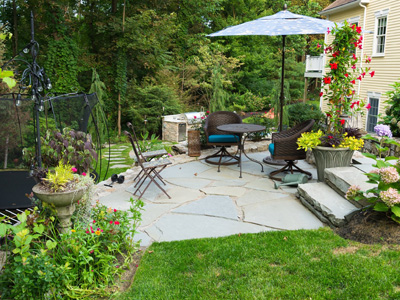 Planning an outdoor project in Massachusetts requires more than choosing materials and picking plants. With seasonal weather changes, freeze–thaw cycles, varying soil conditions, and strict drainage considerations, the order in which you design your project matters. Starting with the wrong element can lead to costly changes, structural problems, or a space that doesn't function the way you envisioned.
If you're preparing for a backyard transformation, here's what to prioritize first to ensure your outdoor project is built correctly from the ground up.
Start with Structure, Not Decoration
One of the most common mistakes homeowners make is focusing on decorative elements before structural planning. Features like plantings, lighting, and furniture placement should always come after the core framework of your outdoor space is established.In Massachusetts, structural elements must account for:
- Frost depth and soil movement
- Drainage and water runoff
- Elevation changes
- Existing foundation placement
Evaluate Grading and Drainage Early
Massachusetts properties often experience heavy rainfall, snow accumulation, and freeze–thaw cycles that can shift soil and impact foundations. Before finalizing any hardscape design, it's critical to evaluate how water moves across your property.Ask:
- Does water pool near the house?
- Is the yard sloped toward or away from the foundation?
- Are there low spots that remain wet after storms?
Design the Primary Living Space First
Once structural concerns are addressed, focus on the main outdoor living area. For many Massachusetts homeowners, this is a patio, deck, or terrace where gatherings take place during warmer months.Consider:
- How much seating is needed?
- Will you incorporate a dining area?
- Is shade required for afternoon sun?
- How does traffic flow from the house to the yard?
Plan for Seasonal Use
Massachusetts has distinct seasons, which should influence your design decisions. Outdoor projects should extend usability beyond just peak summer months.Think about:
- Fire pits or fireplaces for cool evenings
- Wind barriers or privacy screens
- Landscape lighting for shorter daylight hours
- Materials that handle freeze–thaw cycles
Address Elevation Changes with Retaining Walls
If your property has slopes or uneven terrain, retaining walls should be incorporated early in the planning phase. These structures are not simply decorative - they provide structural support and create usable flat space.Proper retaining wall design includes:
- Reinforced base construction
- Drainage management behind the wall
- Appropriate materials for long-term stability
Map Out Circulation Paths
Once major structures are positioned, plan walkways and transitions. Pathways should feel intuitive and connect key areas such as:- Driveways to entryways
- Patios to garden spaces
- Decks to lawn areas
Layer in Softscape and Plantings
After structural hardscapes and circulation routes are finalized, softscape design can begin. Plants should complement the architecture of the home and hardscape elements.Choose plantings that:
- Thrive in Massachusetts climate zones
- Provide year-round interest
- Support drainage and erosion control
- Offer seasonal color variation
Integrate Lighting and Irrigation Last
Landscape lighting and irrigation systems are essential but should be designed after the primary layout is established. Lighting placement depends on pathways, patios, and focal features. Irrigation systems must accommodate plant placement and water efficiency goals.Strategic outdoor lighting enhances safety and highlights architectural details, while smart irrigation systems protect your investment and conserve water.
Think Long-Term Before Finalizing
Before construction begins, step back and review the overall plan. Consider how the space will function in five or ten years.- Will your needs change?
- Is there room for future additions?
- Are materials chosen for durability?
Final Thoughts
Planning an outdoor project in Massachusetts requires thoughtful design sequencing. Starting with structural foundations, drainage, and primary living areas ensures your space performs well through every season. From there, layering in pathways, plantings, and lighting creates a balanced and lasting outdoor environment.When approached in the correct order, your landscape becomes more than a collection of features - it becomes a durable, intentional extension of your home. For high-quality outdoor spaces, call Krefta Landscaping at 781-249-0012 or message us using this Online Form. One of our team members will call you back to discuss your requirements.
<< Back to Blog